
Sportsresso

CRICKET BLOGS

CRICKET BLOGS

The T20 League Revolution: How Franchise Cricket Changed the Game

Just two decades ago, the idea of a city-based, franchise-owned cricket tournament attracting the world’s best players and massive global audiences seemed like a fantasy. Today, it’s the dominant force in the sport. The rise of T20 leagues has been nothing short of a revolution, completely transforming the financial, strategic, and cultural landscape of cricket in ways that are still unfolding. This post explores the explosive growth of T20 franchise cricket. We’ll look at the birth of the Indian Premier League (IPL) and other major leagues around the globe. We will also examine their profound impact on everything from player finances and skill development to the very structure of the international cricketing calendar. The Spark: The Indian Premier League (IPL) The T20 format was invented in England in 2003 as a way to attract a new audience with a shorter, more action-packed game. However, its true potential was unleashed by the inaugural ICC T20 World Cup in 2007. India’s thrilling, unexpected victory in that tournament ignited a firestorm of interest back home. Seeing a golden opportunity, the Board of Control for Cricket in India (BCCI) launched the Indian Premier League (IPL) in 2008, and the sport has never been the same. The IPL model was groundbreaking for cricket. It combined the city-based franchise structure of American sports with the glamour of Bollywood and the unparalleled passion of Indian cricket fans. The first player auction was a spectacle in itself, as franchises shelled out millions of dollars to sign the world’s biggest stars. The tournament was an instant sensation, merging high-quality cricket with primetime entertainment, complete with cheerleaders, loud music, and a star-studded audience. The IPL created a blueprint that has since been replicated around the world. It proved that a domestic T20 tournament could become a massive commercial entity, attracting huge sponsorship deals, broadcast rights worth billions of dollars, and packed stadiums. It was the big bang that started the T20 league universe. The Global Phenomenon: Big Bash and Beyond Following the runaway success of the IPL, cricket boards around the world were quick to launch their own T20 leagues. Each league has developed its own unique character, contributing to a vibrant and competitive global T20 ecosystem that now operates almost year-round. The Big Bash League (BBL) – Australia Launched in 2011, Australia’s Big Bash League took a slightly different approach. While the IPL focused on superstar power and enormous salaries, the BBL was designed from the ground up as a family-friendly, entertainment-focused product. With its flashy team uniforms, energetic crowds, and innovative broadcast features like player microphones, the BBL became a staple of the Australian summer holidays. It successfully attracted a new, younger audience to the sport and has become one of the best-attended sports leagues in the world. The BBL demonstrated that a league could thrive by prioritizing the fan experience and creating a fun, accessible atmosphere. Other Major Leagues Around the World The T20 wave has spread across the entire cricketing globe, with numerous professional leagues establishing themselves as major sporting events. These leagues, along with others in Bangladesh, South Africa, and the UAE, have created a year-round global circuit for T20 cricket. This circuit offers players unprecedented opportunities to play and earn outside of their national team commitments. The Unmistakable Impact of the T20 Revolution The rise of franchise leagues has had a profound and multifaceted impact on the sport, fundamentally altering its economics, skill sets, and structure. A Financial Windfall for Players Without a doubt, T20 leagues have revolutionized player earnings. A top cricketer can now earn more in a two-month IPL season than they might in an entire year of playing for their country. The 2024 IPL auction saw two players signed for contracts worth over $2 million each. This has provided unprecedented financial security for cricketers and has made the sport a genuinely lucrative professional career choice for athletes around the world. This financial shift has also created a new class of “T20 freelancers”—players who prioritize playing in various franchise leagues over representing their national teams, especially in the longer formats of the game. A Crucible for Skill Innovation The relentless, high-pressure environment of T20 cricket has been a breeding ground for incredible innovation. The need to score quickly and defend tight finishes has pushed players to develop skills at an accelerated rate. The “Club vs. Country” Dilemma The biggest challenge created by the T20 boom is the strain it places on the international cricket calendar. The scheduling of major leagues often clashes with international series, forcing players to make difficult choices between a lucrative franchise contract and their national duty. National cricket boards are now in constant negotiation with their star players to manage their workload and ensure their availability for key international fixtures. This has led to an ongoing “club vs. country” debate. While some purists fear that the lure of franchise money is diminishing the prestige of international cricket, others argue that T20 leagues are growing the sport, bringing in new fans, and raising the overall standard of play worldwide. Actionable Next Steps: Embracing the New Landscape The T20 revolution is not slowing down. Its influence will continue to shape the future of cricket for years to come. The rise of T20 leagues represents the most significant transformation in cricket in half a century. They have injected a new level of energy, entertainment, and financial power into the sport, and their story is still being written.

CRICKET BLOGS

The Science Behind Cricket Gear

The classic image of cricket is one of leather on willow—a simple, rustic contest steeped in tradition. But behind that nostalgic facade lies a world of cutting-edge science and technology. Modern cricket gear is a marvel of engineering, meticulously designed to maximize performance, enhance player safety, and push the boundaries of what is possible on the field. From the aerodynamics of the ball to the composite materials in the bat, science has revolutionized every aspect of the game. This post will delve into the fascinating science behind modern cricket gear. We will explore how bats have evolved from simple pieces of wood into powerful weapons of precision, how the design of the cricket ball influences its behavior in the air, and how advanced materials have transformed player safety. The Cricket Bat: More Than Just a Piece of Willow The cricket bat may still be made from willow wood, but today’s bats are a world away from their predecessors. They are the product of sophisticated design and engineering, all aimed at creating a bigger “sweet spot,” generating more power, and improving a player’s control. The Science of the Sweet Spot The “sweet spot” is the area on the bat that produces the maximum transfer of energy to the ball. When contact is made in this zone, it results in the most powerful shot with the least amount of vibration felt by the batsman. In scientific terms, it’s a combination of the center of percussion and the bat’s fundamental vibration node. Hitting the ball here feels effortless and sounds crisp. Modern bat makers have become experts at manipulating the bat’s design to enlarge this sweet spot. They use powerful hydraulic presses to compress the willow, making the wood fibers denser and more resilient. This process hardens the hitting surface, allowing the ball to rebound with greater speed. The biggest innovation, however, has been in the distribution of weight. By studying the biomechanics of a cricket shot, manufacturers have developed bats with much thicker edges and a “bowed” profile. This design pushes more of the bat’s mass into the optimal hitting zone, effectively widening the sweet spot across the face of the bat. This is done without making the bat feel overly heavy, thanks to clever scalloping of the back and careful shaping. The light “pickup” of a modern bat, despite its massive size, is a testament to this clever weight distribution. The Rise of Composite Technology While the laws of cricket state that the blade of the bat must be made of wood, technology has crept in through the handle. Modern bat handles are often made from lengths of cane interwoven with strips of rubber or cork. This composite design is crucial for absorbing the immense shock and vibration from the impact of a high-speed ball. A well-designed handle reduces the jarring sting on a batsman’s hands and allows for better control, preventing the bat from twisting on impact. Some manufacturers have also experimented with reinforcing the bat with carbon fiber. A thin layer of carbon fiber applied to the back of the bat or integrated into the handle can increase its strength and durability. This added stiffness allows for a lighter overall design without sacrificing the power and stability required at the elite level. The Cricket Ball: An Aerodynamic Marvel The cricket ball is a complex piece of equipment, designed to behave in specific ways as it wears down over the course of a match. Its unique construction is the key to the arts of swing and spin bowling, making it a crucial element of the contest between bat and ball. The Seam and the Science of Swing A cricket ball consists of a cork core, wrapped tightly in string, and encased in a tough leather shell. The two leather halves are stitched together with a prominent seam of six parallel rows. This seam is the secret to swing bowling. As the ball travels through the air, the raised seam “trips” the airflow, creating a pressure difference between the two sides of the ball that causes it to deviate, or “swing,” in the air. The science behind this involves laminar and turbulent airflow. The smooth, shiny side of the ball allows air to flow over it smoothly (laminar flow). The seam on the other side creates a chaotic layer of air (turbulent flow). This imbalance in air pressure pushes the ball towards the shiny side. The intricate science of aerodynamics allows skilled bowlers to make the ball move in mysterious and deceptive ways. The Kookaburra vs. the Dukes Different manufacturers produce balls with slightly different characteristics, which has a major impact on a match. Protective Gear: The Science of Player Safety As bowling speeds have increased and batsmen have become more aggressive, the need for effective protective gear has become paramount. Modern protective equipment uses advanced materials and biomechanical research to keep players safe from a hard, fast-moving projectile that can travel at over 150 km/h (93 mph). The Modern Helmet: A Lifesaving Innovation The cricket helmet is the most critical piece of safety equipment, and its design has evolved significantly. Early helmets were rudimentary, but modern designs are highly sophisticated pieces of engineering. They consist of a rigid outer shell made from materials like carbon fiber, fiberglass, or titanium-reinforced polymers. This shell is designed to disperse the force of an impact over the widest possible area. Inside the shell is a liner made from impact-absorbing foam, such as expanded polystyrene (EPS), similar to that used in motorsports helmets. This liner is designed to compress on impact, slowing the head’s deceleration and dramatically reducing the force transmitted to the skull. The most recent innovations include fixed grilles made of steel or titanium that are precisely engineered to prevent the ball from passing between the peak and the grille. Following the tragic death of Australian batsman Phillip Hughes, neck guards (or stem guards) were developed. These attachments, made from impact-resistant plastics and foam, offer extra protection to the vulnerable area of

CRICKET BLOGS

The Evolution of the Cricket Captain

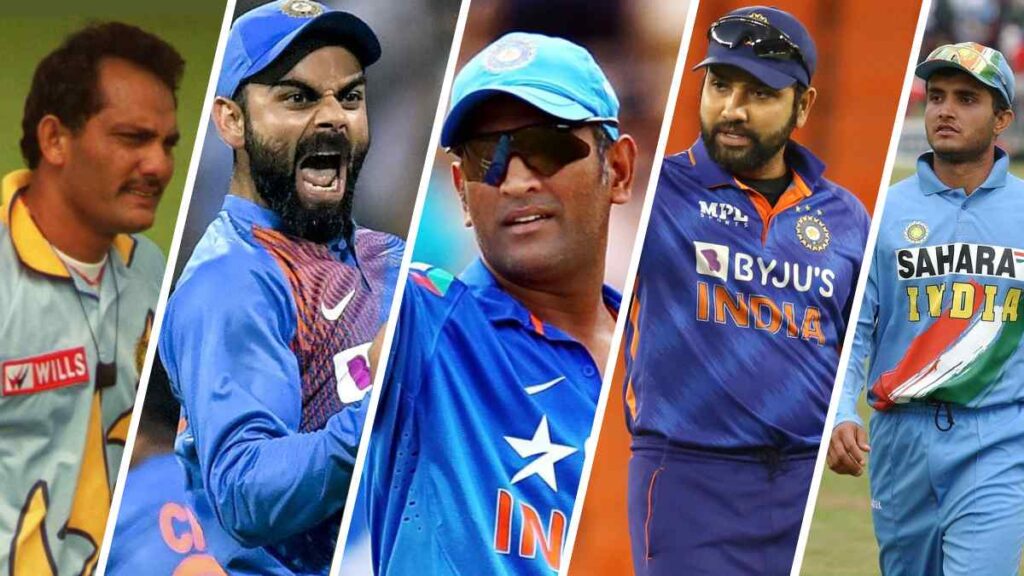
In the world of sports, few leadership roles are as complex or as influential as that of the cricket captain. They are more than just the leader on the field; they are the chief strategist, the primary motivator, and the public face of the team. More than in any other sport, a cricket captain has the power to shape the destiny of a match with their decisions. This pivotal role has evolved dramatically over the years, transforming from the aristocratic amateurs of the early days to the modern, multi-faceted leaders we see today. This post will explore the fascinating evolution of the cricket captain. We will look at how the demands of the job have changed, from on-field tactics to off-field man-management. We’ll also examine the different leadership styles that have brought success and celebrate the legendary captains who have defined eras with their unique approaches to the game. The Early Days: The Amateur Aristocrat In the 18th and 19th centuries, cricket captaincy in England was largely the domain of the upper class. The captain was often the “gentleman amateur,” a man of wealth and social standing who played alongside “players”—the working-class professionals. The captain’s role was as much about upholding the “spirit of the game” as it was about winning. These early captains were responsible for basic on-field tactics, such as setting the field and deciding the batting order. However, their authority was often based more on their social status than their cricketing acumen. The game was slower, and strategy was less complex. These figures, nevertheless, laid the foundation for the captain’s role as the ultimate authority on the field, making decisions that directly impacted the game’s flow. The Tactical Innovator: The Rise of the Professional Mind As cricket became more professional in the 20th century, the role of the captain began to shift. It was no longer enough to be a respected figure; a captain needed to be a brilliant tactical thinker. This era saw the rise of captains who were master strategists, constantly looking for new ways to gain an edge. They studied opponents, developed innovative field placings, and made bold decisions to force a result. The Aggressive Strategist: Douglas Jardine One of the most famous and controversial captains of this era was England’s Douglas Jardine. In the 1932-33 Ashes series against Australia, Jardine devised the infamous “Bodyline” tactic specifically to counter the genius of Sir Donald Bradman. He instructed his fast bowlers to pitch the ball short and at the bodies of the Australian batsmen, with a packed leg-side field waiting for a defensive fend. While it was ruthlessly effective in helping England win the Ashes, it was seen as a violation of the spirit of the game and caused a diplomatic incident between the two countries. Jardine’s captaincy was a stark example of a leader single-mindedly focused on victory, using strategy as a weapon, regardless of the consequences. The Cerebral Leader: Richie Benaud In contrast to Jardine’s confrontational style, Australia’s Richie Benaud was a cerebral and forward-thinking captain in the 1950s and 60s. Benaud believed in playing attractive, attacking cricket that entertained the crowds. He was known for his imaginative field placings and his willingness to make bold declarations in pursuit of a win, rather than settling for a safe draw. Benaud was a master of reading the game and empowering his players to express themselves. After his playing career, he became the most respected commentator in the sport, and his tactical insights educated generations of cricket fans about the nuances of captaincy. The Modern Captain: Motivator, Manager, and Media Spokesperson The advent of one-day cricket, wall-to-wall television coverage, and the high-pressure T20 era has transformed the captain’s role once again. A modern captain must be much more than just a tactician. They are expected to be a skilled man-manager, a polished media performer, and a brand ambassador for their team and country. The Man-Manager: Managing Diverse Personalities Modern cricket teams are made up of diverse individuals from different backgrounds, often with multi-million dollar contracts and significant public profiles. A captain must be able to manage these different personalities and egos, creating a harmonious and unified team environment. They need to know when to put an arm around a struggling player and when to deliver a firm message to a superstar. Australia’s Mark Taylor and New Zealand’s Stephen Fleming were both renowned for their excellent man-management skills. They were calm, empathetic leaders who built strong team cultures based on trust and mutual respect. They consistently got the best out of the players under their command by fostering an environment where individuals felt valued and understood. The Public Face: Handling the Media Today’s captain is constantly in the public eye. They are required to attend press conferences before and after every match, where their every decision is scrutinized by a global media contingent. They must be able to communicate clearly, handle difficult questions with diplomacy, and represent their team with professionalism. A captain’s words can set the tone for a series, and a poor performance in front of the camera can create unnecessary pressure on the team. A Spectrum of Leadership Styles There is no single formula for a successful cricket captain. History has shown that different styles can be equally effective, depending on the personality of the leader and the makeup of the team. The Aggressive, “Lead from the Front” Captain This style is defined by a leader who is passionate, confrontational, and inspires their team through their own aggressive and fearless play. They set the tone with their on-field intensity. The Calm, “Captain Cool” Leader This style is characterized by a leader who remains calm and composed under immense pressure. They make decisions based on logic and intuition, and their unflappable demeanor instills confidence in their team during chaotic moments. Conclusion The role of the cricket captain has evolved from a simple on-field leader to one of the most complex and demanding jobs in all of sports. They must be tactically astute, emotionally

CRICKET BLOGS

Cricket’s Fiercest Rivalries

Sport thrives on passion, and nothing fuels passion like a great rivalry. In cricket, these rivalries are more than just contests between two teams; they are epic narratives steeped in history, politics, and culture. They are clashes that stop nations, create heroes and villains, and produce moments of drama that are remembered for generations. The tension is palpable, the stakes are sky-high, and victory means everything. This post delves into the world of cricket’s fiercest rivalries. We will explore the unparalleled intensity of an India vs. Pakistan match, unpack the historic weight of The Ashes, and touch on other battles that ignite the cricketing world. These are the contests that transcend the boundary rope and become a part of a nation’s identity. India vs. Pakistan: A Rivalry Beyond Cricket No rivalry in cricket, and perhaps in all of sports, carries the weight of history, politics, and raw emotion quite like India vs. Pakistan. Born from the violent partition of British India in 1947, every match between these two nations is played against a backdrop of shared history and geopolitical tension. It is a contest that unites and divides hundreds of millions of people, where the pressure on the players is almost unimaginable. A History Forged in Conflict The first Test series between the two nations was played in 1952. From the very beginning, the matches were laden with political significance. Cricket became a vehicle for diplomatic expression, with tours often used to thaw or reflect the state of political relations. For decades, cricketing ties have been suspended and resumed based on the political climate, adding to the scarcity and intensity of their encounters. The rivalry is most fervent in the shorter formats of the game, particularly during World Cups. An India-Pakistan match is the marquee event of any ICC tournament, drawing a global television audience that numbers in the hundreds of millions. For fans on both sides of the border, this is the one match that matters more than any other. A victory is a source of national euphoria; a defeat is a cause for national mourning. Iconic Moments and Unforgettable Pressure The rivalry has produced countless unforgettable moments. From Javed Miandad’s last-ball six in 1986 that broke a billion Indian hearts, to Venkatesh Prasad’s fiery send-off to Aamer Sohail in the 1996 World Cup, these matches are filled with high drama. The 2007 T20 World Cup final, where India beat Pakistan in a nail-biting finish, is another classic chapter in this epic saga. Players who perform well in these matches are elevated to heroic status. Those who fail can face intense public scrutiny. The pressure is immense, and it takes a special kind of mental fortitude to thrive in this cauldron of emotion. The India-Pakistan rivalry is a spectacle of passion, pride, and patriotism that makes it the most charged contest in the sport. The Ashes: A Battle for the Little Urn If India vs. Pakistan is a rivalry of raw, modern passion, The Ashes is a contest built on over 140 years of tradition and history. The battle between England, the birthplace of cricket, and Australia, its proud and successful former colony, is the oldest rivalry in the sport. It’s a test of skill, endurance, and national pride, with the winner taking home one of the most famous and tiniest trophies in sports: a small terracotta urn. The Birth of a Legend The legend of The Ashes began in 1882. After Australia beat England on English soil for the first time, a British newspaper, The Sporting Times, published a mock obituary for English cricket. It stated that “The body will be cremated and the ashes taken to Australia.” When the English team toured Australia later that year, the English captain, Ivo Bligh, vowed to “regain those ashes.” After England won the series, a group of Melbourne women, including Bligh’s future wife, presented him with a small urn. It is humorously reputed to contain the ashes of a burnt cricket bail. This small urn became the physical symbol of the rivalry, and the two nations have been competing for it ever since. A Rivalry of Contrasting Styles The Ashes is a study in contrasts. It often pits the perceived technical correctness and tradition of English cricket against the aggressive, win-at-all-costs mentality of the Australians. The rivalry has been defined by legendary players and epic series. From the era of Don Bradman’s “Invincibles” to the “Bodyline” series of the 1930s—where England employed a dangerous bowling tactic to counter Bradman’s genius—The Ashes has always been a fierce battle. The 2005 series is widely regarded as the greatest in history. An English team led by Michael Vaughan finally ended 16 years of Australian dominance in a summer of unbelievable tension and drama. More recently, Ben Stokes’s miraculous, match-winning innings at Headingley in 2019 added another incredible chapter to the story. The Ashes remains the pinnacle of Test cricket for players and fans in both countries, a historic rivalry that continues to produce unforgettable drama. Other Notable Rivalries While India-Pakistan and The Ashes are the most famous, other rivalries also bring a special intensity to the cricket world. Australia vs. South Africa: A Battle of Heavyweights For much of the modern era, the rivalry between Australia and South Africa has been a contest to decide the best Test team in the world. After South Africa’s readmission to international cricket in 1991, they quickly became a formidable force. The matches between these two nations are known for their high quality and fierce, often abrasive, competition. Both teams play a hard, aggressive brand of cricket, which has led to numerous on-field confrontations and controversies. The infamous “Sandpapergate” scandal in 2018 is a testament to how much this rivalry means to the players. On the field, it is a clash of cricketing titans. Australia vs. New Zealand: The Sibling Rivalry The rivalry between the two nations from Oceania is a classic “big brother vs. little brother” dynamic. Australia, with its larger population and historically more

CRICKET BLOGS

The Science of Swing Bowling

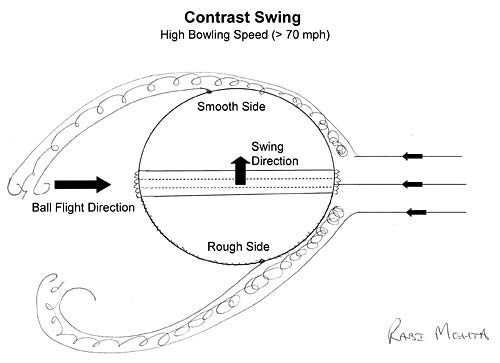
There are few sights in cricket as mesmerizing as a ball that seems to defy physics. A fast bowler runs in, releases the ball on a straight path, and just as the batsman prepares to play it, the ball deviates sharply in the air, leaving them beaten all ends up. This is the art of swing bowling—a magical and mysterious skill that has baffled batsmen for over a century. But this “magic” is actually a fascinating application of aerodynamic principles. This post will peel back the curtain on the science of swing bowling. We will explore the physics that makes a cricket ball move in the air, break down the techniques behind both conventional and reverse swing, and celebrate the legendary bowlers who turned this science into an art form. The Physics of Swing: A Tale of Two Sides At its core, swing bowling is about creating a pressure difference on opposite sides of the cricket ball as it travels through the air. The key to this is the ball’s prominent seam and its condition. A new cricket ball has two hemispheres of leather joined by a stitched seam that is raised slightly from the surface. To generate conventional swing, a bowler holds the ball with the seam angled towards the direction they want the ball to move (e.g., angled towards the slips for an outswinger to a right-handed batsman). As the ball moves through the air, the airflow on each side behaves differently. This difference in separation points creates a pressure imbalance. The turbulent air on the seam side deflects the airflow, and according to Newton’s Third Law, the ball is pushed in the opposite direction. Therefore, the ball swings away from the turbulent side and towards the smooth, shiny side. So, if the shiny side is pointing towards the batsman’s leg side, the ball will swing in that direction (inswing). Conventional Swing: The Bowler’s Craft Generating conventional swing requires more than just holding the seam correctly. It’s a craft that involves meticulous care of the ball and a highly refined bowling action. The Role of the Fielding Team The process starts with the entire team. To maintain the conditions for swing, the fielding side works together to keep one side of the ball as smooth and dry as possible. You will often see players vigorously polishing one side of the ball on their trousers while ensuring the other side remains untouched. This contrast between a very smooth side and a rougher side enhances the pressure difference and promotes swing. The Bowler’s Technique The bowler’s action is crucial. A clean, repeatable release with a straight wrist and an upright seam is essential. The ball must be released with backspin, like a wheel rolling forward, to keep the seam stable in its angled position. If the seam wobbles, the aerodynamic effects are lost, and the ball will not swing. Atmospheric conditions also play a significant role. Swing bowling is most effective in humid or overcast conditions. The moisture in the air is denser, which amplifies the aerodynamic effects on the ball, leading to more pronounced swing. This is why English conditions are famously conducive to swing bowling. Reverse Swing: The Dark Art As a cricket ball gets older, its surface becomes scuffed and worn. The once-shiny side loses its smoothness, and conventional swing begins to fade. This is when a mysterious and often more dangerous phenomenon can occur: reverse swing. Flipping the Physics Reverse swing happens when the ball becomes very old and rough, typically after 40-50 overs. The fielding team works to make one side exceptionally rough and dry while keeping the other side as smooth as possible, though it will still be scuffed. With reverse swing, the roles of the smooth and rough sides are flipped. The “rougher” side becomes so abrasive that it trips the air into a turbulent flow very early. The “smoother” (but still worn) side now experiences laminar flow for longer. As a result, the pressure dynamics are inverted. The ball now swings towards the rough side and away from the smoother side. This is what makes reverse swing so deceptive. A bowler will hold the ball with the same grip for an outswinger, but because the ball is reversing, it will swing back in towards the batsman. It moves late and often with greater speed than conventional swing, making it incredibly difficult to play. The art was pioneered and perfected by Pakistani bowlers in the 1980s and 90s. The Masters of Swing Throughout cricket history, certain bowlers have mastered this science and turned it into devastating art. Wasim Akram (Pakistan) Many consider Wasim Akram to be the greatest left-arm fast bowler of all time, and his mastery of swing, particularly reverse swing, was a key reason. Akram could swing the ball both ways at high pace with a new or old ball. His ability to hide the ball in his run-up and release it from an unusual angle made it almost impossible for batsmen to pick which way it would move. His spells of reverse swing in the 1992 World Cup final are legendary, where he produced two unplayable deliveries to dismiss Allan Lamb and Chris Lewis, effectively winning the cup for Pakistan. James Anderson (England) James Anderson is the most prolific swing bowler in the history of Test cricket. He is the ultimate craftsman of conventional swing. With a flawless, repeatable action and an unmatched ability to control the seam position, Anderson has tormented batsmen for nearly two decades. His mastery of the outswinger to the right-handed batsman is a thing of beauty. He holds the record for the most Test wickets by any fast bowler, a testament to his incredible skill and longevity, built on the foundation of swing. Dale Steyn (South Africa) Dale Steyn combined raw pace with lethal outswing, making him one of the most fearsome bowlers of the modern era. While many swing bowlers operate at a medium-fast pace, Steyn could generate significant swing while bowling consistently

CRICKET BLOGS

Unforgettable Cricket Matches

Cricket is a game of glorious uncertainties. While every match has the potential for drama, a select few transcend the sport itself. They are epic sagas of courage, collapse, and comeback that become etched in the memory of every fan who witnessed them. These are the matches that define eras, create legends, and remind us why we love the game. This post will take a nostalgic journey back to some of the most unforgettable matches in cricket history. We will relive the underdog triumph of the 1983 World Cup final, the relentless drama of the 2005 Ashes series, and the scarcely believable finale of the 2019 World Cup. Get ready to feel the tension and euphoria of the moments that shaped the sport forever. 1983 World Cup Final: The Upset That Changed a Nation The final of the 1983 Cricket World Cup at Lord’s was meant to be a coronation. On one side was the mighty West Indies, the two-time defending champions. Led by Clive Lloyd, their team was a terrifying force of nature, featuring a battery of ferocious fast bowlers and the devastating batting of Viv Richards. On the other side was India, a team of rank underdogs who had won only a single match in the previous two World Cups combined. No one gave them a chance. The Match: A Tale of Two Innings India batted first and the West Indian pace quartet of Andy Roberts, Joel Garner, Michael Holding, and Malcolm Marshall quickly asserted their dominance. The Indian batting lineup crumbled, and they were bowled out for a paltry 183. It seemed like a formality. The mood in the Indian dressing room was somber, but their charismatic captain, Kapil Dev, refused to give up hope. He told his team, “We have a small total to defend, but let’s go out and fight for it.” The West Indies began their chase with characteristic swagger. The legendary Viv Richards looked in imperious form, racing to 33 off just 28 balls. The game was slipping away fast. Then came the moment that turned the match on its head. Richards miscued a pull shot off Madan Lal, sending the ball high into the air over the mid-wicket region. Kapil Dev, stationed at mid-on, turned and sprinted back, his eyes fixed on the ball. He covered an incredible amount of ground to take a spectacular, running catch over his shoulder. The Impact: The Dawn of a New Era The dismissal of Richards sent a shockwave through the West Indian lineup. They panicked and collapsed under the pressure of disciplined Indian bowling. The underdogs had achieved the impossible, winning by 43 runs. The image of Kapil Dev lifting the World Cup trophy on the Lord’s balcony is one of the most iconic in cricket history. This victory transformed the sport in India. It ignited a passion for cricket that turned it from a popular sport into a national obsession. It inspired a generation of future superstars, including a young Sachin Tendulkar, who has said that watching India win in 1983 was the moment he dreamed of playing for his country. The 1983 final was more than just an upset; it was the birth of modern Indian cricket. The 2005 Ashes: “The Greatest Series Ever Played” The Ashes rivalry between England and Australia is the oldest in cricket, but by 2005, it had become painfully one-sided. Australia had dominated for 16 years, winning eight consecutive series with a team of legends that included Shane Warne, Glenn McGrath, and Ricky Ponting. When Australia comfortably won the first Test of the 2005 series at Lord’s, it looked like business as usual. What followed was a summer of cricket so dramatic and relentlessly thrilling that it is widely considered the greatest series ever played. The Edgbaston Test: A Two-Run Thriller The turning point came in the second Test at Edgbaston. England, inspired by the aggressive captaincy of Michael Vaughan and the all-round brilliance of Andrew “Freddie” Flintoff, fought back hard. They set Australia a target of 282 to win. The chase came down to the wire. Australia’s last pair of batsmen, Brett Lee and Michael Kasprowicz, edged their team to within three runs of victory. Then, England paceman Steve Harmison bowled a bouncer that Kasprowicz gloved behind to the wicketkeeper. England had won by just two runs, the narrowest margin in Ashes history. The enduring image of the match was not of celebration, but of sportsmanship: Flintoff consoling a distraught Brett Lee on the pitch. This moment set the tone for a series that was fiercely contested but played in the right spirit. The Impact: Revitalizing Test Cricket The rest of the series was a rollercoaster of emotion. There were heroic centuries, devastating spells of bowling, and a nail-biting draw at Old Trafford. England finally clinched the series 2-1 at The Oval, reclaiming the Ashes for the first time since 1987. The 2005 Ashes captured the imagination of the entire nation. It was front-page news every day and brought Test cricket back into the mainstream in a way not seen for decades. It reminded everyone of the unique drama and narrative power of the five-day game, proving that Test cricket could be just as exciting as its shorter-format cousins. 2019 World Cup Final: The Unbelievable Finale If you were to write a script for the most dramatic cricket match possible, it would probably be dismissed as too unrealistic. Yet, the final of the 2019 Cricket World Cup between England and New Zealand at Lord’s delivered a level of drama that defied belief. It was a game of unbelievable twists, improbable luck, and a conclusion that left the entire cricketing world breathless. The Match: Tied Twice England, playing in their home World Cup, were chasing 242 to win their first-ever title. The chase was a struggle, and they needed 15 runs from the final over, with Ben Stokes on strike. The first two balls were dots. The third was dispatched for a six. The fourth ball produced

CRICKET BLOGS

The Transformation of Cricket Formats

Cricket is a unique sport in its ability to exist in multiple forms, each offering a completely different experience. On one hand, you have the slow-burning, strategic battle of a five-day Test match. On the other, you have the explosive, high-octane spectacle of a three-hour T20 game. This diversity is the result of a fascinating evolution that has allowed cricket to adapt, survive, and thrive for over two centuries. This post will explore the transformation of cricket’s formats. We will journey from the timeless tradition of Test cricket to the introduction of the one-day revolution and finally to the game-changing explosion of T20. Join us as we examine how each format was born, what it brought to the sport, and how it has shaped the modern game. Test Cricket: The Original and Purest Form For the first century of its international history, cricket existed in only one form: Test cricket. It is the longest and, for purists, the most revered format of the game. A Test match is a battle of skill, endurance, and mental fortitude played over five days, with no restrictions on the number of overs a team can bowl. The Origins of Test Cricket The first-ever official Test match was played between Australia and England in Melbourne in 1877. The name “Test” emerged because these long matches were seen as the ultimate “test” of a team’s ability and a player’s character. The format was a natural extension of the multi-day, first-class matches that had been played in England for over a century. Early Test matches were often “timeless,” meaning they were played until one team won, regardless of how many days it took. The longest Test match in history, between South Africa and England in 1939, was abandoned as a draw after nine days of play because the English team had to catch their boat home. The modern five-day standard was adopted to make the format more practical. The Impact of Test Cricket Test cricket is the ultimate examination of a cricketer’s skill set. Batsmen must have a flawless technique, immense concentration, and the ability to build an innings over many hours or even days. Bowlers must have the stamina to bowl long spells and the craft to set up and dismiss well-set batsmen. Captains must be master strategists, making decisions about field placements, bowling changes, and declarations that can unfold over several days. This format creates a unique narrative. The momentum of a game can shift multiple times, with periods of slow attrition giving way to sudden, dramatic collapses. It is a chess match on grass, where every session brings a new set of challenges. Test cricket has given us some of the sport’s most iconic moments and has been the stage for cricket’s greatest individual achievements. One-Day Internationals (ODIs): The Mid-Paced Revolution By the mid-20th century, there was a growing sense that cricket needed a shorter, more accessible format to attract new audiences. The answer came, almost by accident, in the form of the One-Day International (ODI). An Accidental Invention The first ODI was played between Australia and England in Melbourne in 1971. It was not a planned event. The first three days of a scheduled Test match had been completely washed out by rain. To give the disappointed crowd something to watch, the two teams agreed to play a one-off, limited-overs match on the final day. Each team would bat for 40 eight-ball overs. The match was a resounding success. The crowd loved the excitement of a game that was guaranteed to produce a result in a single day. The concept quickly caught on. Just four years later, in 1975, the first-ever Cricket World Cup was held in England, played in the 60-overs-a-side format. The Impact of ODIs The introduction of ODIs revolutionized cricket. It placed a new emphasis on athletic fielding and aggressive, powerful batting. Players who could score quickly and clear the boundary became superstars. Field restrictions in the early overs encouraged attacking strokeplay, while the pressure of a run chase in the final overs created thrilling finishes. The ODI format also led to significant innovations. Colored clothing, white balls, and day-night matches played under floodlights were all introduced to make the game more television-friendly. This commercial appeal was fully realized by the Australian media mogul Kerry Packer, whose “World Series Cricket” in the late 1970s was a rebel tour that poached the world’s best players and introduced many of these broadcast-friendly elements. While controversial at the time, Packer’s innovations were eventually adopted by the official cricket establishment and became standard in the one-day game. The ODI format provided a perfect middle ground between the tradition of Tests and the need for a more immediate, spectator-friendly product. T20 Cricket: The High-Speed Entertainment Era At the dawn of the 21st century, cricket authorities in England were once again looking for a way to boost the sport’s popularity and attract a younger, more diverse audience. They needed a format that was even shorter and more action-packed than a 50-over ODI. The Birth of a New Format In 2003, the England and Wales Cricket Board (ECB) officially launched Twenty20, or T20, cricket. Each team would bat for just 20 overs, with a whole match lasting around three hours—a similar length to many other major sporting events. The format was designed for maximum entertainment, with a heavy focus on big hitting, fast scoring, and non-stop action. The format was an instant hit. The first T20 international was played in 2005, but the format truly exploded onto the global stage with the inaugural ICC T20 World Cup in 2007. A young Indian team, led by MS Dhoni, won a thrilling final against arch-rivals Pakistan. The tournament’s success, particularly in India, was the catalyst for the creation of the Indian Premier League (IPL) in 2008. The Impact of T20 Cricket T20 cricket, and the franchise leagues it spawned, has completely changed the cricketing landscape. However, the rise of T20 has also raised concerns about the future of

CRICKET BLOGS

Cricket’s Greatest Legends: Icons of the Game

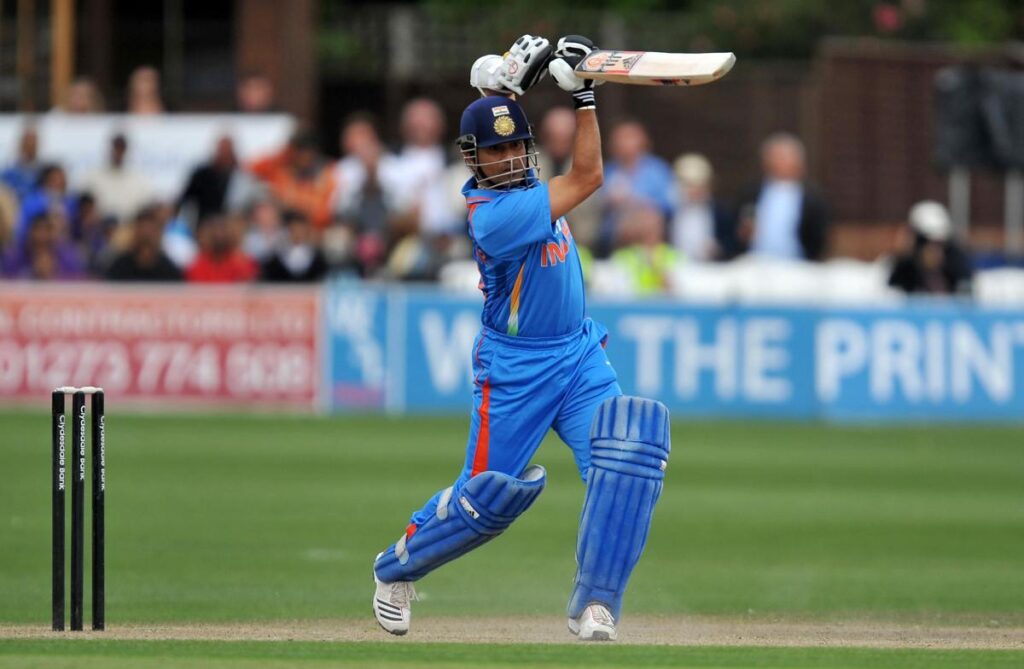
In the rich history of cricket, a few special players have achieved a status that transcends mere statistics. They are legends, icons whose names are spoken with reverence and whose feats have defined eras. The debate over the single greatest player of all time is a passionate and endless one, but the names that belong on cricket’s Mount Rushmore are almost universally agreed upon. This post celebrates the careers of these cricketing giants. We will explore the unparalleled dominance of Don Bradman, the god-like status of Sachin Tendulkar, the cool leadership of MS Dhoni, and other titans who left an indelible mark on the sport. By examining their achievements, playing styles, and lasting impact, we can appreciate the different forms of genius that have graced the cricket field. Sir Donald Bradman: The Unattainable Benchmark No athlete in any major sport has dominated their era quite like Sir Donald Bradman. The Australian batsman, who played from the 1920s to the 1940s, put up numbers that are so far beyond any other player that they seem almost fictional. He set a benchmark for excellence that remains the ultimate measure of greatness in Test cricket. A Statistical Anomaly Bradman’s Test batting average of 99.94 is the most famous statistic in all of cricket. To put this into perspective, no other player in history with a significant career has an average over 62. It means that in his 52 Test matches, Bradman was, on average, just four runs short of a century every time he was dismissed. He scored 29 centuries in just 80 innings, a conversion rate that is still unparalleled. His run-scoring was relentless. In the 1930 Ashes series in England, he scored a staggering 974 runs, a record that still stands today. This included a triple century in a single day at Headingley. He was a run-scoring machine whose consistency and appetite for huge scores demoralized opposition bowlers for two decades. Playing Style and Impact Bradman was not a classically elegant batsman, but he was ruthlessly efficient. He possessed extraordinary hand-eye coordination, quick footwork, and intense concentration. He developed a unique “rotary” technique, picking up the line and length of the ball earlier than anyone else and dispatching it to the boundary with power and precision. His impact went beyond the numbers. At a time when Australia was grappling with the Great Depression, Bradman became a symbol of hope and national pride. He was a sporting hero whose incredible feats provided a welcome distraction from daily hardships. “The Don” wasn’t just a cricketer; he was an Australian icon whose legacy is one of near-perfect, unattainable sporting genius. Sachin Tendulkar: The God of a Billion People If Bradman was a statistical wonder, Sachin Tendulkar was a cricketing deity. For 24 years, he carried the hopes and dreams of a nation of over a billion people on his shoulders. From his debut as a curly-haired 16-year-old to his emotional farewell, Tendulkar’s career was a story of incredible longevity, consistency, and grace under immense pressure. Master of All Formats Sachin Tendulkar’s greatness lies in his mastery across all formats and conditions. He is the only player in history to have scored 100 international centuries (51 in Tests and 49 in ODIs). He holds the record for the most runs in both Test and One-Day International cricket, with over 34,000 international runs combined. His longevity is staggering. He played a record 200 Test matches and 463 ODIs. He was the first batsman to score a double century in a One-Day International, achieving the feat in 2010. He played against generations of great bowlers, from Wasim Akram and Waqar Younis in his early days to Shane Warne, Glenn McGrath, and Muttiah Muralitharan in his prime. Playing Style and Impact Tendulkar was the complete batsman. He possessed a flawless technique, perfect balance, and an array of breathtaking shots. His signature stroke was the straight drive, a shot of pure timing and elegance that became his trademark. He could attack with devastating power or defend with stoic resilience, adapting his game to any situation. His impact on India and world cricket is immeasurable. In a country where cricket is a religion, Sachin was its god. When he batted, the nation stopped. His humility, sportsmanship, and dedication made him a role model for millions. He inspired a golden generation of Indian cricketers and proved that a player could handle unprecedented levels of fame and pressure with dignity and grace. The chant of “Sachin, Sachin!” remains one of the most iconic sounds in all of sport. MS Dhoni: Captain Cool, The Ultimate Finisher While Bradman and Tendulkar were masters with the bat, Mahendra Singh Dhoni’s legend is built on his extraordinary leadership, ice-cool demeanor, and uncanny ability to win games from impossible situations. As a wicketkeeper-batsman and captain, Dhoni redefined how a leader could influence a game, particularly in the white-ball formats. The Trophy Cabinet MS Dhoni is the only captain in cricket history to have won all three major ICC trophies. He led a young Indian team to victory in the inaugural ICC T20 World Cup in 2007. He then guided India to become the number one ranked Test team in the world in 2009. The crowning glory of his captaincy came in 2011 when he hit a massive six to win the ICC Cricket World Cup on home soil in Mumbai, ending India’s 28-year wait for the trophy. He capped it off by winning the ICC Champions Trophy in 2013. Playing Style and Impact As a batsman, Dhoni was unorthodox but devastatingly effective. With his powerful bottom hand and “helicopter shot,” he was one of the most destructive finishers the game has ever seen. His ability to remain calm under extreme pressure was legendary. No target was too big when Dhoni was at the crease in the final overs. He had a brilliant cricketing mind, often making unconventional field placements or bowling changes that turned a game on its head. Dhoni’s impact was transformative. He brought a

CRICKET BLOGS

The Origins of Cricket: From Shepherd’s Game to Global Sport

Today, cricket is a global phenomenon, captivating billions with its explosive T20 leagues, dramatic Test matches, and the passion of international rivalries. The sound of leather on willow echoes in massive stadiums from Mumbai to Melbourne. But this sophisticated modern sport has surprisingly humble and murky origins, rooted in the rolling hills of rural England centuries ago. This post will journey back in time to uncover the origins of cricket. We will explore how a simple pastime played by shepherds evolved into a structured sport, how its early rules were formed, and how the British Empire carried it across the oceans to become the beloved game it is today. Let’s look at the fascinating story of how cricket began. A Shepherd’s Diversion: The Earliest Days The exact origin of cricket is lost to history, but it is widely believed to have begun as a children’s game in the Weald, a dense area of woodland and clearings in southeast England, during the Saxon or Norman times. The earliest forms of the game were likely played by farming and shepherding communities. The tools of the trade were simple. Shepherds would use their crooks—the curved staffs used for herding sheep—as bats. The “wicket” was likely the gate of a sheep pen, and the “ball” would have been a small, compressed clump of wool, stone, or wood. The object was simple: a “bowler” would try to hit the wicket gate while a “batsman” defended it with their crook. The low, two-stump wicket of early cricket is thought to have originated from the style of these gates. The name “cricket” itself has several possible origins. It may derive from the Anglo-Saxon word “cricc,” meaning a shepherd’s staff. Another theory suggests it comes from the Flemish word “krick,” meaning a stick. This connection stems from the close trade links between southeast England and Flanders during the 15th century. Whatever its exact source, the name became associated with this simple country game. From Pastime to Organized Sport For centuries, cricket remained a local, unorganized folk game. The first confirmed reference to cricket being played by adults dates back to 1611, when two men in Sussex were prosecuted for playing cricket on a Sunday instead of going to church. This tells us two things: the game had become popular enough among adults to warrant legal action, and it was considered a distraction from more pious duties. Throughout the 17th century, the game started to gain traction, especially in the southeast of England. The English Civil War briefly interrupted its growth, but it returned with renewed vigor after the Restoration in 1660. The “Merry Monarch,” King Charles II, brought a new vibrancy to English social life, and sports like cricket began to thrive. The late 17th century also saw the first instances of cricket being played for money. Wealthy patrons began to form their own “teams” and wager on the outcomes of matches. This introduction of gambling was a crucial step in cricket’s development. It led to the creation of the first professional players and demanded a more standardized set of rules to ensure fair play. The First Rules and the Hambledon Club The 18th century was the period when cricket truly began to take shape as an organized sport. The earliest known written “Articles of Agreement” for a cricket match date back to 1727. However, the first formal “Laws of Cricket” were drawn up in 1744. These laws established fundamental principles, such as the 22-yard pitch, the dimensions of the stumps, and the methods of getting a batsman out. The epicenter of cricket’s development during this period was a small village in Hampshire called Hambledon. The Hambledon Club, which flourished from the 1760s to the 1780s, was the most important cricket club of its time. It was a combination of a social club and a professional team, backed by wealthy patrons. Hambledon was the “cradle of cricket,” where the game was refined and innovated. Players at Hambledon were responsible for key technical developments. The straight bat, for example, replaced the curved, hockey-stick-like bat of early cricket. This change was a response to the evolution of bowling. Bowlers had started to “pitch” the ball, moving away from the underarm roll that was common before. A straight bat was far more effective for playing these bouncing deliveries. The Marylebone Cricket Club (MCC) and the Lord’s Ground As cricket’s popularity grew, the center of influence shifted from rural Hambledon to London. In 1787, the Marylebone Cricket Club (MCC) was founded. The MCC quickly established itself as the game’s premier club and its official lawmaker. A year after its formation, the MCC acquired a new ground in London, established by an ambitious entrepreneur named Thomas Lord. This became the first “Lord’s Cricket Ground.” Lord’s became the new home of cricket, and the MCC took on the responsibility of codifying and revising the game’s laws. The MCC’s 1788 revision of the laws established the foundation of the rules that still govern the game today, including the introduction of the Leg Before Wicket (LBW) rule. The MCC’s authority gave cricket a central governing body, which was essential for its continued growth and standardization. For over 200 years, the MCC remained the sole authority on the Laws of Cricket, a role it only handed over to the newly formed International Cricket Council (ICC) in recent times. Cricket Travels the Globe: The British Empire’s Sport Cricket’s expansion beyond the shores of England is directly linked to the growth of the British Empire. As British sailors, soldiers, and colonial administrators traveled the world, they took their favorite sport with them. Cricket became a way for expatriates to maintain a connection to home and a symbol of British culture. The game first took root in North America in the 18th century, though its popularity there was eventually eclipsed by baseball. The first official international cricket match was actually played between the USA and Canada in 1844. However, cricket truly flourished in the colonies of the West Indies,

Scroll to Top