
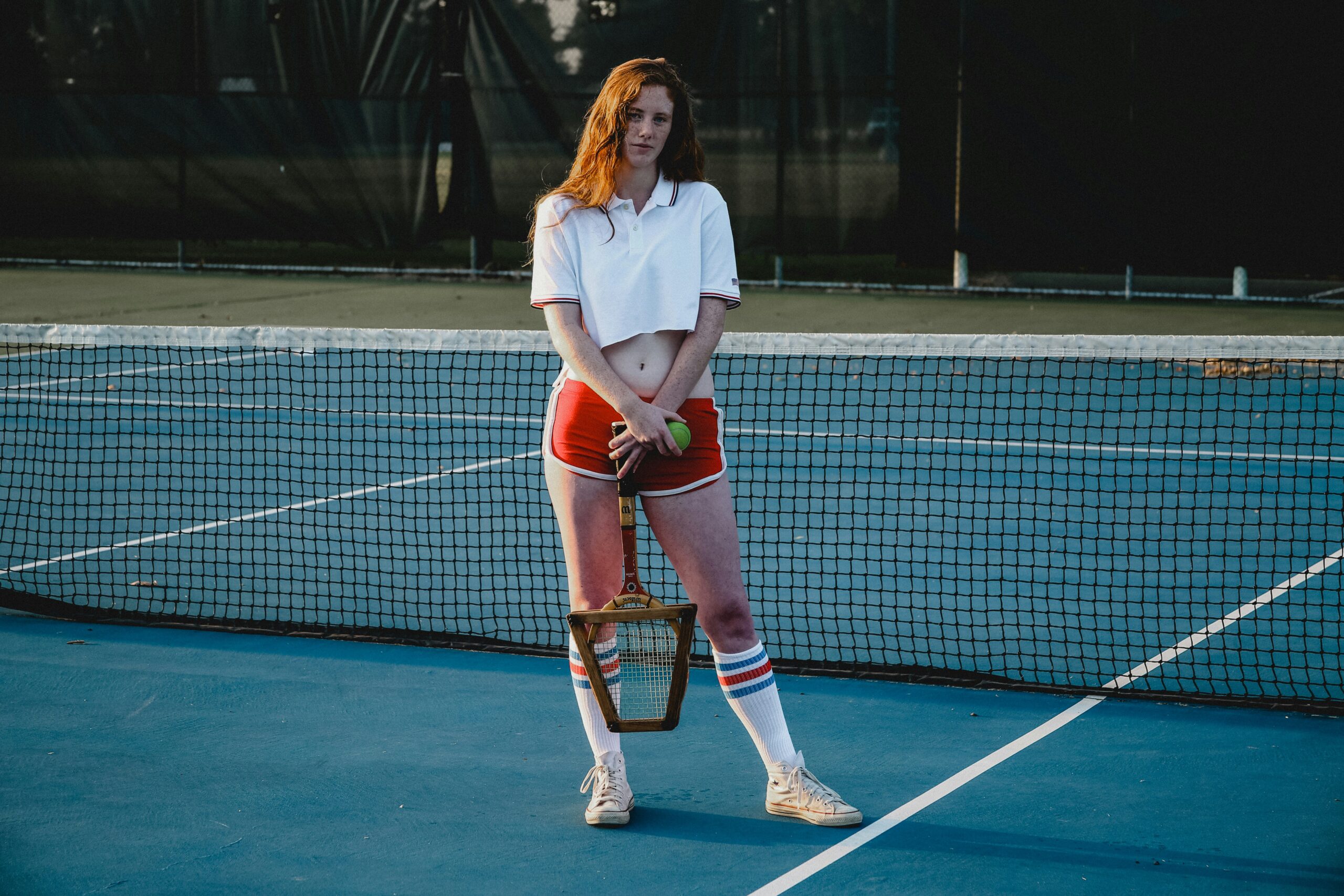
Tennis has always been a sport of style and elegance. From its earliest days, the court has doubled as a runway, with players’ attire reflecting broader fashion trends and, at times, even influencing them. The evolution of tennis fashion is a fascinating story of social change, technological innovation, and individual expression, moving from restrictive formal wear to the vibrant, high-performance apparel we see today.
This post will serve you an ace on the history of tennis fashion. We will journey from the corsets and flannel trousers of the Victorian era to the bold, statement-making outfits of modern champions. Along the way, we’ll highlight the iconic moments and trailblazing players who changed not just how tennis is played, but how it looks.
The Victorian Era: Formality Over Function
Lawn tennis emerged in the late 19th century as a genteel pastime for the upper classes. As such, early tennis attire was less about athletic performance and more about adhering to the strict social etiquette of the time. The court was a social space, and players dressed accordingly.
The Ladies’ Court Attire
For women, this meant playing in floor-length dresses, complete with high collars, long sleeves, corsets, and petticoats. These garments were incredibly restrictive, hindering movement and offering little in the way of comfort or breathability. A lady was expected to maintain her modesty and grace above all else, often accessorizing with hats, gloves, and heeled shoes. It’s hard to imagine chasing down a drop shot while laced into a corset, but this was the reality for the sport’s female pioneers.
The Gentlemen’s Look
Men’s attire was similarly formal, though slightly more practical. Gentlemen typically played in long, white flannel trousers, long-sleeved button-down shirts (often with the sleeves rolled up), and sometimes even blazers or ties. The “all-white” rule, which would later become synonymous with Wimbledon, began during this period. The rationale was largely practical and aesthetic: white clothing was believed to be cooling, and it concealed the unseemly appearance of sweat, maintaining a look of pristine decorum.
The Roaring Twenties: A Revolution in Style
The period after World War I brought about significant social change, and tennis fashion was quick to reflect the new, liberated spirit of the age. Functionality finally began to take precedence over pure formality, led by a new generation of trailblazing players.
Suzanne Lenglen: Tennis’s First Diva
No one embodies this shift more than the French superstar Suzanne Lenglen. In the 1920s, Lenglen scandalized the conservative tennis world and captivated the public with her revolutionary on-court style. She abandoned the corset and petticoat in favor of a knee-length, pleated dress with short sleeves and a simple headband.
Her outfits, designed by the famous French couturier Jean Patou, allowed for a new level of athletic freedom. Lenglen could move with an aggressive grace that was previously impossible. She was not just a champion; she was a fashion icon who proved that players could be both athletic and stylish. Her influence was immense, and by the end of the decade, shorter hemlines and sleeveless tops had become the norm in women’s tennis.
Men’s Fashion Gets Comfortable
Men’s fashion also saw a move towards comfort. René Lacoste, another French star, found the traditional long-sleeved shirts too cumbersome. In 1926, he designed a short-sleeved, collared shirt made from a breathable piqué cotton. This polo shirt, adorned with a small crocodile logo (his on-court nickname), was a game-changer. It combined style with athletic function and became one of the first pieces of sportswear to successfully cross over into mainstream fashion.
The Mid-Century and the Rise of Synthetics
The middle of the 20th century saw further evolution, driven by new materials and a more professional approach to the sport.
Gussie Moran’s Lace Underwear
In 1949, American player Gertrude “Gussie” Moran caused a sensation at Wimbledon. In collaboration with British designer Ted Tinling—a key figure in tennis fashion for decades—she wore a dress with a slightly shorter hemline that revealed a pair of lace-trimmed shorts underneath. The press photographers at the time were so focused on getting a shot of her frilly underwear that it created a media frenzy. While tame by today’s standards, Moran’s outfit challenged the staid traditions of Wimbledon and pushed the boundaries of what was considered acceptable on court.
The Introduction of New Materials
The post-war era saw the introduction of synthetic fabrics like nylon and polyester. These materials were lighter, more durable, and easier to care for than traditional cotton and flannel. This allowed for more comfortable and functional designs, and players began to wear dedicated shorts and polo shirts that were specifically designed for athletic activity.
The Modern Era: Color, Sponsorship, and Individuality
The Open Era, beginning in 1968, professionalized tennis and brought with it big prize money and television coverage. This transformed players into global stars and their clothing into valuable marketing real estate.
The explosion of Color and Sponsorship
The strict, all-white dress codes began to relax at most tournaments outside of Wimbledon. The 1970s and 80s saw an explosion of color on the court. Players like Björn Borg, with his iconic pinstriped Fila polo shirts and matching headbands, and John McEnroe, with his red Sergio Tacchini headband and tight shorts, became style icons.
Sponsorship deals became a major part of the game. Brands like Nike, Adidas, and Fila signed top players, creating signature lines of clothing and shoes. A player’s outfit was no longer just a personal choice; it was a billboard.
The Age of Statement-Making Fashion
In recent decades, tennis fashion has become a powerful form of self-expression. Players work closely with designers to create outfits that reflect their personality and tell a story.
- Serena Williams: Serena has consistently used the court as her runway, challenging norms with bold and unforgettable outfits. From her denim skirt at the 2004 US Open to her black “catsuit” at the 2018 French Open (which sparked a debate and a rule change), Serena’s fashion choices have been about more than just style. They have been statements about power, motherhood, and individuality.
- Roger Federer: On the men’s side, Roger Federer brought a new level of refined elegance to the game. His partnership with Nike produced classic, tailored looks, often featuring his “RF” logo. His outfits, whether it was a military-style jacket at Wimbledon or a perfectly fitted polo, projected an aura of timeless class that matched his playing style.
- Andre Agassi: No one pushed the fashion envelope in the 90s like Andre Agassi. With his neon outfits, denim shorts, and long, highlighted hair, Agassi’s “Image is Everything” persona changed the look of men’s tennis forever. He brought a rock-and-roll attitude to a traditionally conservative sport.
Actionable Next Steps: What to Take Away
The journey of tennis fashion is a mirror of our changing world—reflecting shifts in social norms, technology, and the very nature of celebrity.
- For Fans: Next time you watch a Grand Slam, look beyond the serves and volleys. Pay attention to what the players are wearing. The colors, cuts, and fabrics are all part of a carefully crafted narrative that tells you something about the player and the brands behind them.
- For Players: Draw inspiration from the past. You can channel the classic elegance of Federer, the bold power of Serena, or the rebellious spirit of Agassi. Modern tennis apparel offers an incredible range of options, so choose gear that not only performs well but also allows you to express your own personal style on the court.
From the lawns of Victorian England to the floodlit arenas of today, tennis fashion has served up a history as dramatic and compelling as any five-set thriller. It proves that in tennis, style is not just part of the game—it is the game.


