In the world of sports, few leadership roles are as complex or as influential as that of the cricket captain. They are more than just the leader on the field; they are the chief strategist, the primary motivator, and the public face of the team. More than in any other sport, a cricket captain has the power to shape the destiny of a match with their decisions. This pivotal role has evolved dramatically over the years, transforming from the aristocratic amateurs of the early days to the modern, multi-faceted leaders we see today.
This post will explore the fascinating evolution of the cricket captain. We will look at how the demands of the job have changed, from on-field tactics to off-field man-management. We’ll also examine the different leadership styles that have brought success and celebrate the legendary captains who have defined eras with their unique approaches to the game.
The Early Days: The Amateur Aristocrat
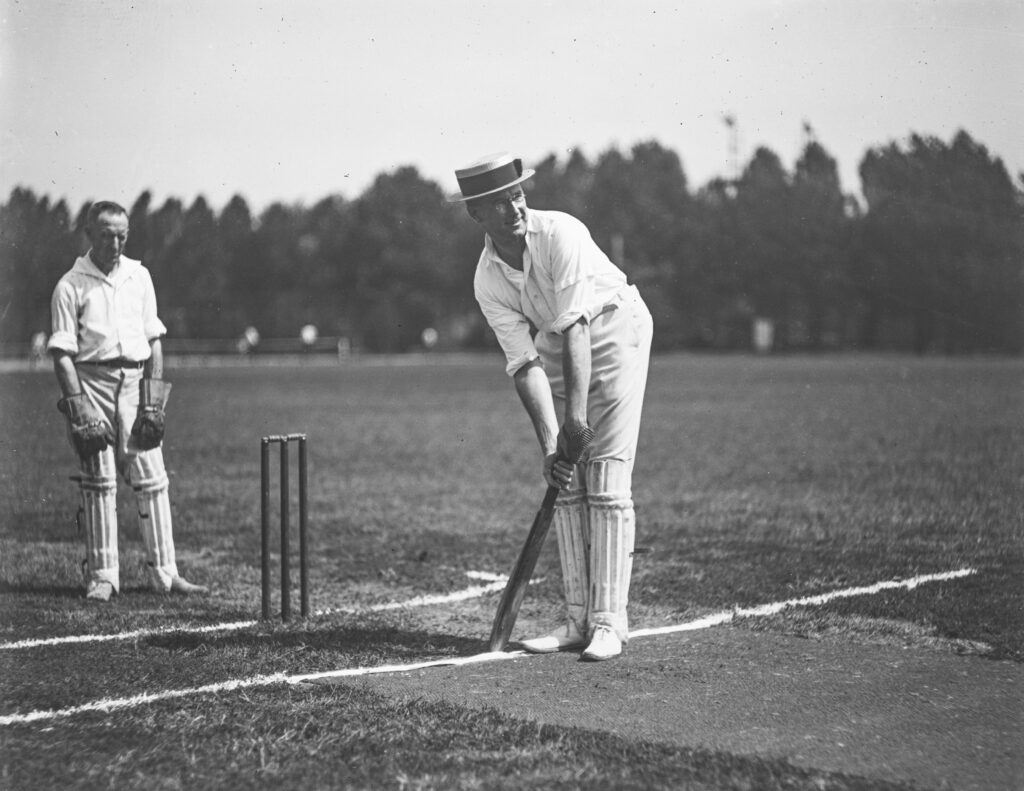
In the 18th and 19th centuries, cricket captaincy in England was largely the domain of the upper class. The captain was often the “gentleman amateur,” a man of wealth and social standing who played alongside “players”—the working-class professionals. The captain’s role was as much about upholding the “spirit of the game” as it was about winning.
These early captains were responsible for basic on-field tactics, such as setting the field and deciding the batting order. However, their authority was often based more on their social status than their cricketing acumen. The game was slower, and strategy was less complex. These figures, nevertheless, laid the foundation for the captain’s role as the ultimate authority on the field, making decisions that directly impacted the game’s flow.
The Tactical Innovator: The Rise of the Professional Mind
As cricket became more professional in the 20th century, the role of the captain began to shift. It was no longer enough to be a respected figure; a captain needed to be a brilliant tactical thinker. This era saw the rise of captains who were master strategists, constantly looking for new ways to gain an edge. They studied opponents, developed innovative field placings, and made bold decisions to force a result.
The Aggressive Strategist: Douglas Jardine
One of the most famous and controversial captains of this era was England’s Douglas Jardine. In the 1932-33 Ashes series against Australia, Jardine devised the infamous “Bodyline” tactic specifically to counter the genius of Sir Donald Bradman. He instructed his fast bowlers to pitch the ball short and at the bodies of the Australian batsmen, with a packed leg-side field waiting for a defensive fend.
While it was ruthlessly effective in helping England win the Ashes, it was seen as a violation of the spirit of the game and caused a diplomatic incident between the two countries. Jardine’s captaincy was a stark example of a leader single-mindedly focused on victory, using strategy as a weapon, regardless of the consequences.
The Cerebral Leader: Richie Benaud
In contrast to Jardine’s confrontational style, Australia’s Richie Benaud was a cerebral and forward-thinking captain in the 1950s and 60s. Benaud believed in playing attractive, attacking cricket that entertained the crowds. He was known for his imaginative field placings and his willingness to make bold declarations in pursuit of a win, rather than settling for a safe draw.
Benaud was a master of reading the game and empowering his players to express themselves. After his playing career, he became the most respected commentator in the sport, and his tactical insights educated generations of cricket fans about the nuances of captaincy.
The Modern Captain: Motivator, Manager, and Media Spokesperson
The advent of one-day cricket, wall-to-wall television coverage, and the high-pressure T20 era has transformed the captain’s role once again. A modern captain must be much more than just a tactician. They are expected to be a skilled man-manager, a polished media performer, and a brand ambassador for their team and country.
The Man-Manager: Managing Diverse Personalities
Modern cricket teams are made up of diverse individuals from different backgrounds, often with multi-million dollar contracts and significant public profiles. A captain must be able to manage these different personalities and egos, creating a harmonious and unified team environment. They need to know when to put an arm around a struggling player and when to deliver a firm message to a superstar.
Australia’s Mark Taylor and New Zealand’s Stephen Fleming were both renowned for their excellent man-management skills. They were calm, empathetic leaders who built strong team cultures based on trust and mutual respect. They consistently got the best out of the players under their command by fostering an environment where individuals felt valued and understood.
The Public Face: Handling the Media
Today’s captain is constantly in the public eye. They are required to attend press conferences before and after every match, where their every decision is scrutinized by a global media contingent. They must be able to communicate clearly, handle difficult questions with diplomacy, and represent their team with professionalism. A captain’s words can set the tone for a series, and a poor performance in front of the camera can create unnecessary pressure on the team.
A Spectrum of Leadership Styles
There is no single formula for a successful cricket captain. History has shown that different styles can be equally effective, depending on the personality of the leader and the makeup of the team.
The Aggressive, “Lead from the Front” Captain
This style is defined by a leader who is passionate, confrontational, and inspires their team through their own aggressive and fearless play. They set the tone with their on-field intensity.
- Imran Khan (Pakistan): Imran Khan transformed the Pakistan team into a world-beating force through his sheer force of will. He was a brilliant all-rounder who demanded the highest standards from his players. He famously led his “cornered tigers” to an unlikely victory in the 1992 World Cup, cementing his legacy as an inspirational leader.
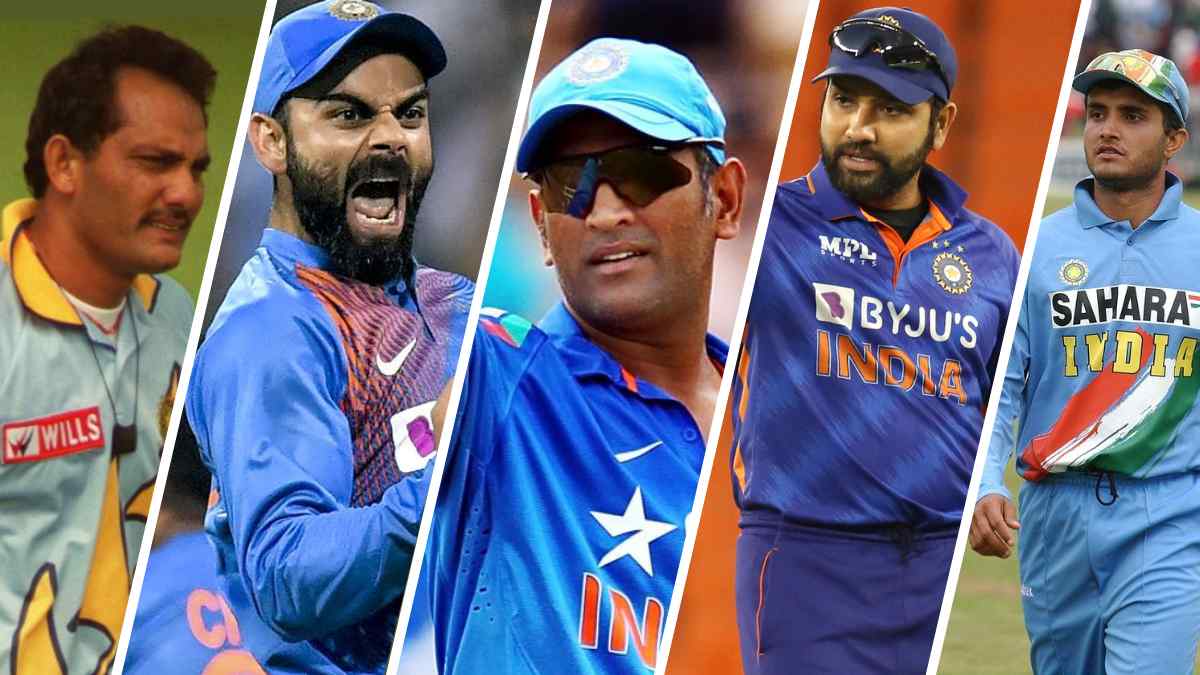
- Virat Kohli (India): Kohli’s captaincy was marked by an intense, in-your-face aggression. He instilled a supreme level of fitness and self-belief in the Indian team, particularly in Test cricket. Under his leadership, India achieved historic victories overseas, largely driven by the fearless brand of cricket he championed.
The Calm, “Captain Cool” Leader
This style is characterized by a leader who remains calm and composed under immense pressure. They make decisions based on logic and intuition, and their unflappable demeanor instills confidence in their team during chaotic moments.
- MS Dhoni (India): “Captain Cool” is the ultimate example of this style. Dhoni was a master of managing high-pressure situations, particularly in white-ball cricket. His decision-making in the final overs of a chase was legendary. He never seemed flustered, and his calm presence allowed his team to execute their plans with clarity.
- Kane Williamson (New Zealand): Williamson is known for his quiet, humble, and cerebral leadership. He leads a team that is widely respected for its sportsmanship and its ability to consistently punch above its weight. His calm and thoughtful approach has been the driving force behind New Zealand’s recent success on the world stage.
Conclusion
The role of the cricket captain has evolved from a simple on-field leader to one of the most complex and demanding jobs in all of sports. They must be tactically astute, emotionally intelligent, and publicly polished. They need the respect of their players, the trust of their administration, and the ability to think clearly under immense pressure.
From the authoritarianism of Jardine to the calmness of Dhoni, different leadership styles have shaped the course of cricket history. The one constant is the profound impact a great captain can have on their team’s fortunes. They are the true architects of victory, the mind behind the on-field magic, and the figures who turn a group of talented individuals into a champion team.