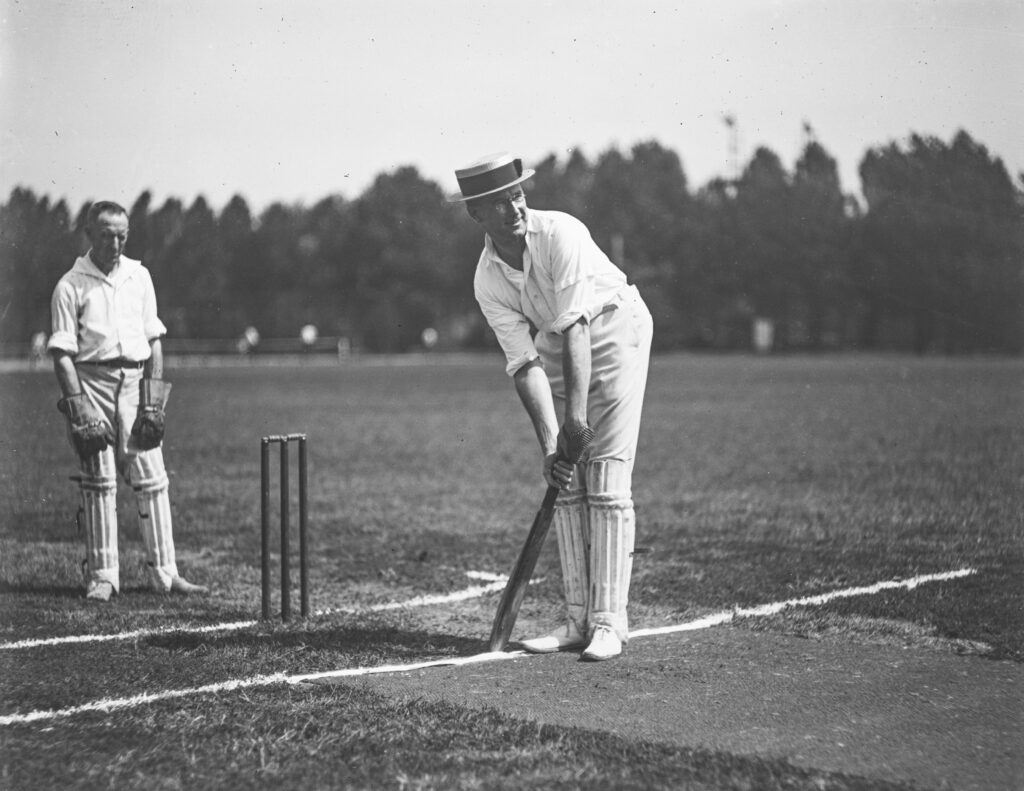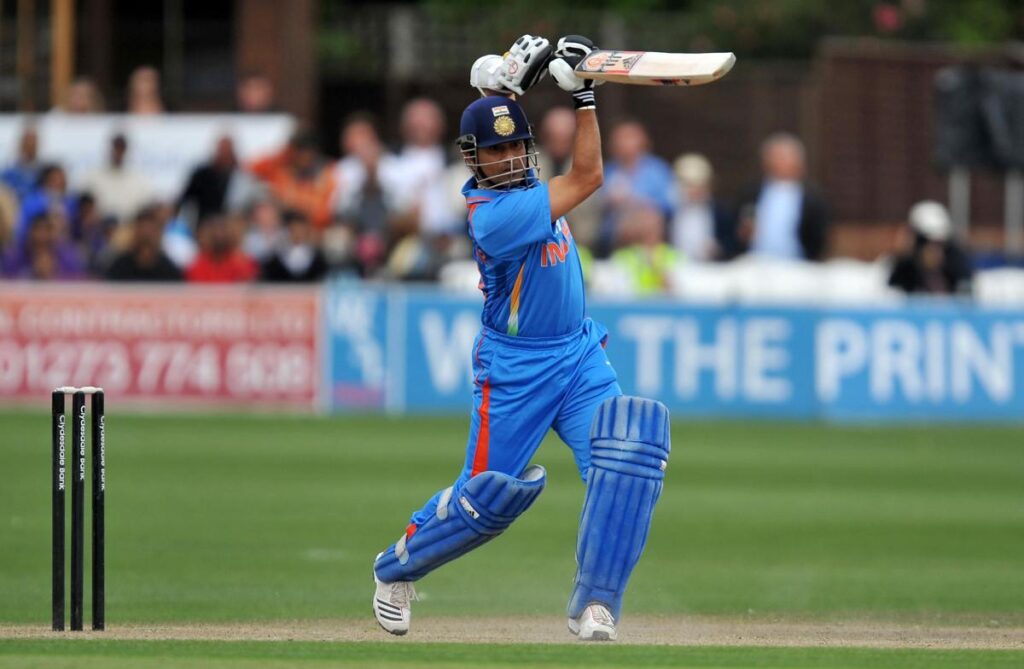
The classic image of cricket is one of leather on willow—a simple, rustic contest steeped in tradition. But behind that nostalgic facade lies a world of cutting-edge science and technology. Modern cricket gear is a marvel of engineering, meticulously designed to maximize performance, enhance player safety, and push the boundaries of what is possible on the field. From the aerodynamics of the ball to the composite materials in the bat, science has revolutionized every aspect of the game.
This post will delve into the fascinating science behind modern cricket gear. We will explore how bats have evolved from simple pieces of wood into powerful weapons of precision, how the design of the cricket ball influences its behavior in the air, and how advanced materials have transformed player safety.
The Cricket Bat: More Than Just a Piece of Willow
The cricket bat may still be made from willow wood, but today’s bats are a world away from their predecessors. They are the product of sophisticated design and engineering, all aimed at creating a bigger “sweet spot,” generating more power, and improving a player’s control.
The Science of the Sweet Spot
The “sweet spot” is the area on the bat that produces the maximum transfer of energy to the ball. When contact is made in this zone, it results in the most powerful shot with the least amount of vibration felt by the batsman. In scientific terms, it’s a combination of the center of percussion and the bat’s fundamental vibration node. Hitting the ball here feels effortless and sounds crisp.
Modern bat makers have become experts at manipulating the bat’s design to enlarge this sweet spot. They use powerful hydraulic presses to compress the willow, making the wood fibers denser and more resilient. This process hardens the hitting surface, allowing the ball to rebound with greater speed.
The biggest innovation, however, has been in the distribution of weight. By studying the biomechanics of a cricket shot, manufacturers have developed bats with much thicker edges and a “bowed” profile. This design pushes more of the bat’s mass into the optimal hitting zone, effectively widening the sweet spot across the face of the bat. This is done without making the bat feel overly heavy, thanks to clever scalloping of the back and careful shaping. The light “pickup” of a modern bat, despite its massive size, is a testament to this clever weight distribution.
The Rise of Composite Technology
While the laws of cricket state that the blade of the bat must be made of wood, technology has crept in through the handle. Modern bat handles are often made from lengths of cane interwoven with strips of rubber or cork. This composite design is crucial for absorbing the immense shock and vibration from the impact of a high-speed ball. A well-designed handle reduces the jarring sting on a batsman’s hands and allows for better control, preventing the bat from twisting on impact.
Some manufacturers have also experimented with reinforcing the bat with carbon fiber. A thin layer of carbon fiber applied to the back of the bat or integrated into the handle can increase its strength and durability. This added stiffness allows for a lighter overall design without sacrificing the power and stability required at the elite level.
The Cricket Ball: An Aerodynamic Marvel
The cricket ball is a complex piece of equipment, designed to behave in specific ways as it wears down over the course of a match. Its unique construction is the key to the arts of swing and spin bowling, making it a crucial element of the contest between bat and ball.
The Seam and the Science of Swing
A cricket ball consists of a cork core, wrapped tightly in string, and encased in a tough leather shell. The two leather halves are stitched together with a prominent seam of six parallel rows. This seam is the secret to swing bowling. As the ball travels through the air, the raised seam “trips” the airflow, creating a pressure difference between the two sides of the ball that causes it to deviate, or “swing,” in the air.
The science behind this involves laminar and turbulent airflow. The smooth, shiny side of the ball allows air to flow over it smoothly (laminar flow). The seam on the other side creates a chaotic layer of air (turbulent flow). This imbalance in air pressure pushes the ball towards the shiny side. The intricate science of aerodynamics allows skilled bowlers to make the ball move in mysterious and deceptive ways.
The Kookaburra vs. the Dukes
Different manufacturers produce balls with slightly different characteristics, which has a major impact on a match.
- The English-made Dukes ball is known for its hand-stitched, more pronounced seam. This seam remains harder for longer, allowing the ball to swing conventionally for extended periods. This makes it a favorite of traditional swing bowlers.
- The Australian-made Kookaburra ball, used in most other Test-playing nations, is machine-stitched. Its two outer rows of stitches are on the surface, while the inner rows are hidden, resulting in a flatter seam. This seam tends to go soft more quickly, meaning the Kookaburra ball swings less conventionally but is more conducive to reverse swing later in the innings. These subtle differences in construction have a major impact on the tactics employed by teams around the world.
Protective Gear: The Science of Player Safety
As bowling speeds have increased and batsmen have become more aggressive, the need for effective protective gear has become paramount. Modern protective equipment uses advanced materials and biomechanical research to keep players safe from a hard, fast-moving projectile that can travel at over 150 km/h (93 mph).
The Modern Helmet: A Lifesaving Innovation
The cricket helmet is the most critical piece of safety equipment, and its design has evolved significantly. Early helmets were rudimentary, but modern designs are highly sophisticated pieces of engineering. They consist of a rigid outer shell made from materials like carbon fiber, fiberglass, or titanium-reinforced polymers. This shell is designed to disperse the force of an impact over the widest possible area.
Inside the shell is a liner made from impact-absorbing foam, such as expanded polystyrene (EPS), similar to that used in motorsports helmets. This liner is designed to compress on impact, slowing the head’s deceleration and dramatically reducing the force transmitted to the skull.
The most recent innovations include fixed grilles made of steel or titanium that are precisely engineered to prevent the ball from passing between the peak and the grille. Following the tragic death of Australian batsman Phillip Hughes, neck guards (or stem guards) were developed. These attachments, made from impact-resistant plastics and foam, offer extra protection to the vulnerable area of the upper neck and the base of the skull.
Pads and Guards: Lightweight Strength
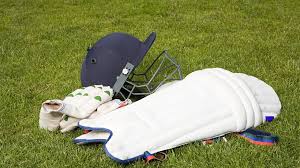
Modern batting pads and other guards (like thigh pads and arm guards) are a far cry from the bulky, heavy cane-and-leather pads of the past. Today’s pads use lightweight, high-density foams that are pre-molded to the shape of the leg. These closed-cell foams are excellent at absorbing and dissipating impact energy. The front of the pads often features rigid plastic inserts over the shins to provide extra protection against direct, high-speed hits.
The primary goal of modern pad design is to provide maximum protection with minimum weight and bulk. This allows the batsman to run between the wickets with greater speed and freedom of movement, a crucial advantage in the fast-paced modern game where every single run counts.
Conclusion: Actionable Next Steps
While cricket cherishes its history and traditions, it is a sport that has fully embraced science and technology. From the carefully engineered power of a modern bat to the life-saving design of a helmet, every piece of equipment a player uses is the result of years of research and innovation. This fusion of science and sport has made the game safer, more dynamic, and more exciting for players and fans alike.
- For Players: When choosing your next piece of gear, think beyond the brand. Consider the technology that suits your playing style. Do you need a bat with a lower sweet spot for driving, or a helmet with maximum ventilation for long innings?
- For Fans: The next time you watch a match, look for the science in action. Notice how players maintain the shine on one side of the ball to encourage swing, or how a batsman’s powerful shot is a product of both technique and bat technology. This deeper understanding will surely enhance your appreciation for this incredible game.