
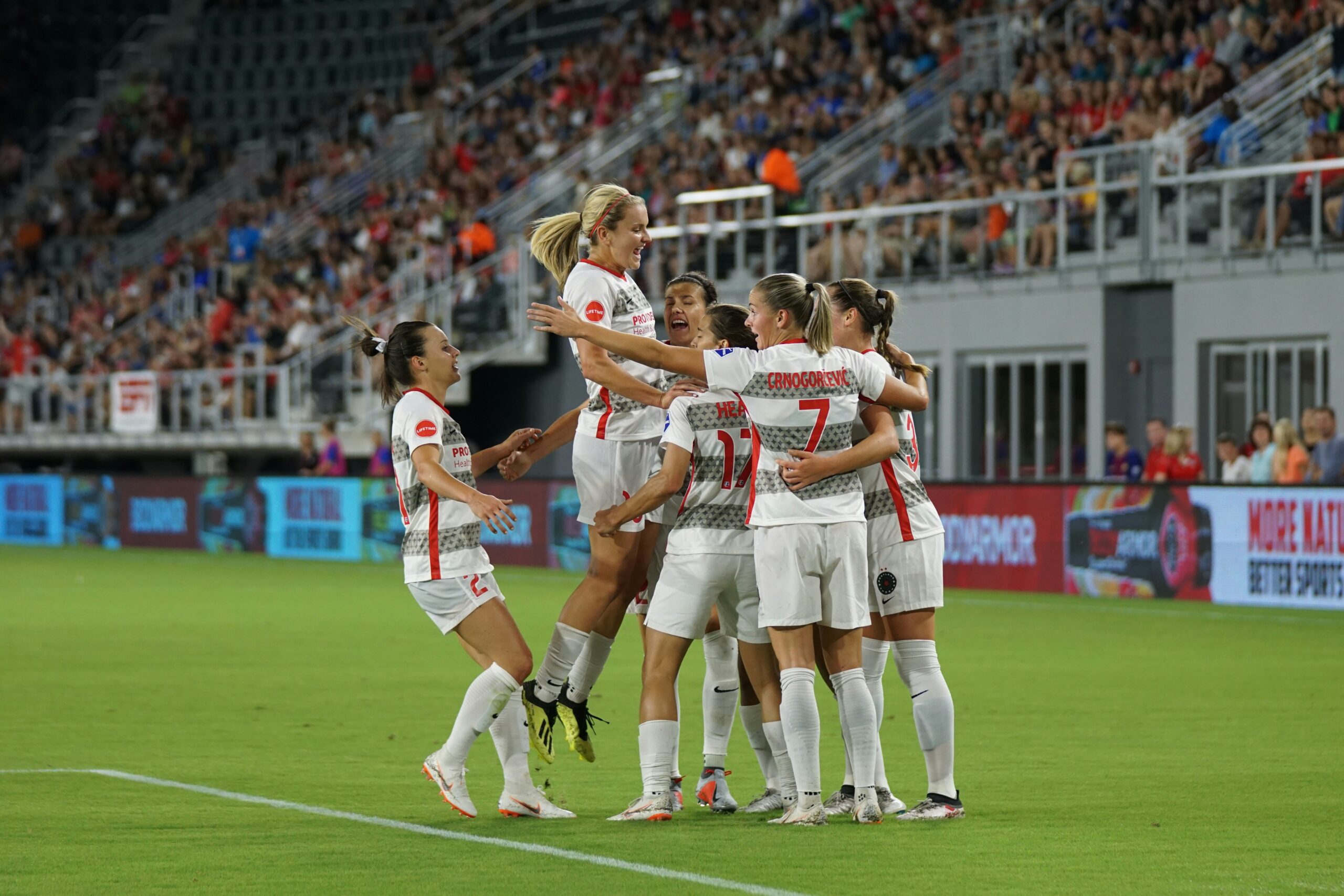
For decades, it was a sport played in the shadows, dismissed by many and actively banned by some. Today, women’s football is one of the fastest-growing sports in the world. Stadiums are selling out, broadcast records are being shattered, and young girls finally have a generation of superstars to look up to. The journey has been long and challenging, but the rise of women’s football is a powerful story of resilience, passion, and progress.
This post will trace the remarkable growth of the women’s game. We will highlight the key milestones that propelled it into the mainstream, from the first official international matches to the professional leagues of today. We’ll also examine the hurdles that have been overcome and the ongoing fight for equality that continues to drive the sport forward.
A Difficult Beginning: The Lost Decades
While women have been playing football for over a century, the sport’s early growth was brutally cut short. In the aftermath of World War I, women’s football was incredibly popular in the United Kingdom. One match on Boxing Day in 1920 drew a crowd of 53,000 spectators. However, this success was met with hostility from the establishment.
In 1921, England’s Football Association (FA) banned women from playing on the grounds of its member clubs, declaring the sport “quite unsuitable for females.” This devastating ban, which was mirrored in other countries, effectively halted the progress of women’s football for 50 years. It relegated the game to parks and unofficial pitches, pushing it out of the public eye and starving it of resources.
The ban wasn’t lifted until 1971. This lost half-century represents a significant setback, and the women’s game has been fighting to make up for lost time ever since. The resilience shown by the players who kept the sport alive during these difficult decades laid the foundation for everything that was to come.
Key Milestones on the Road to Recognition
The late 20th century marked a turning point as international competitions began to formalize, providing a global stage for the women’s game to shine.
The First FIFA Women’s World Cup
After several unofficial tournaments, FIFA finally launched the first official Women’s World Cup in 1991, held in China. The United States, led by stars like Mia Hamm, Michelle Akers, and Carli Lloyd’s predecessor, Carin Jennings, won the inaugural tournament. This event was a crucial step, legitimizing the women’s international game and providing a platform for its best players.
However, it wasn’t until the 1999 World Cup, hosted in the USA, that the sport truly exploded into the public consciousness. The final between the USA and China was played at the Rose Bowl in front of over 90,000 fans—a record that stood for years. The iconic image of Brandi Chastain celebrating her winning penalty kick became a defining moment, inspiring a generation of girls to start playing football.
The Olympic Stage
The inclusion of women’s football in the Olympic Games in 1996 provided another vital platform. Competing under the Olympic rings gave the sport a level of prestige and mainstream visibility it had never had before. Success at the Olympics became a major goal for national teams, encouraging federations to invest more in their women’s programs.
Growth of Professional Leagues
For the women’s game to be sustainable, players needed professional environments where they could train and compete full-time. The establishment of professional leagues around the world has been arguably the most important development in the modern era.
Leagues like the National Women’s Soccer League (NWSL) in the USA, England’s Women’s Super League (WSL), and top divisions in Germany, France, and Spain have transformed the sport. These leagues provide stable careers for players, attract commercial sponsorship, and create high-quality, competitive football on a weekly basis. This has raised the overall standard of play and created loyal fanbases for clubs, not just national teams.
The Modern Game: Breaking Records and Barriers
Today, women’s football is experiencing a golden age of growth and popularity. The 2023 FIFA Women’s World Cup in Australia and New Zealand was a landmark event. It broke attendance and viewership records, with nearly 2 million fans attending matches and an estimated 2 billion watching worldwide. The tournament showcased the incredible technical skill, tactical sophistication, and intense competition that now define the elite level of the women’s game.
We are also seeing the rise of global superstars. Players like Spain’s Aitana Bonmatí, Australia’s Sam Kerr, and England’s Keira Walsh are household names, inspiring millions with their talent and leadership. Their visibility is driving commercial interest, with major brands signing endorsement deals and broadcasters vying for media rights.
The Ongoing Fight for Equality
Despite this incredible progress, the fight for equality is far from over. Women’s football continues to face significant challenges.
The Pay Gap
The disparity in pay and prize money between men’s and women’s football remains a major point of contention. While progress is being made, the gap is still vast. National teams, including the World Cup-winning US Women’s National Team, have had to fight lengthy legal battles for equal pay. Closing this gap is essential for recognizing the value of female athletes and ensuring the sport offers a viable career path for all.
Lack of Investment and Resources
At many levels, the women’s game is still underfunded compared to its male counterpart. This includes everything from coaching and medical support to marketing and youth development programs. Greater investment from federations, clubs, and sponsors is needed to build the infrastructure required to sustain growth.
Media Coverage and Perception
While coverage has improved, it still pales in comparison to the men’s game. Consistent, high-quality media exposure outside of major tournaments is crucial for building fan engagement. Furthermore, outdated, sexist attitudes towards female athletes persist in some corners. Challenging these perceptions and celebrating the skill and athleticism of the players is an ongoing battle.
Conclusion: A Future Forged by Pioneers
The rise of women’s football is a testament to the pioneers who refused to let their passion for the game be extinguished. From the women who defied the 1921 ban to the modern-day icons fighting for equal pay, every step forward has been hard-won.
The progress is undeniable, and the momentum is building. The quality on the pitch has never been higher, the fanbases are growing exponentially, and the commercial potential is finally being realized. The journey ahead still requires a collective effort to address the remaining inequalities, but the future of women’s football is brighter than ever. It is a sport that is not just growing—it is soaring.